
Connected Care:
Designing the Experience Around Health
Takeaways
01 – Healthcare creates the traffic. The district creates the experience.
Billions of hours are spent seeking healthcare. Medical districts have an opportunity to design for the time around care.
02 – The medical district is becoming more than a place for care.
As outpatient care expands and populations age, medical districts can become destinations for dining, retail, services, hospitality and community.
03 – The next healthcare real estate opportunity is outside the exam room.
High-demand markets from Phoenix to San Diego and Washington, D.C., show the potential for development that connects medical care with everyday life.
Healthcare doesn’t begin and end at the doctor’s door. Americans make roughly 1 billion physician office visits a year1 and spend more than 2 billion hours seeking that care.2 More than 80% of that time is spent outside face-to-face care with a physician.2 Around those visits, everyday life continues: traveling, parking, waiting, picking up a prescription, filling time before a shift starts or waiting for a family member’s appointment to end. At that pace, the next decade represents more than 20 billion hours spent seeking care.2 Medical districts have the people; the opportunity is to design for their time.
This is what RDC is calling Connected Care: treating the district around the medical office as part of the experience, not separate from it. Healing doesn’t happen only inside the visit. It happens before, during and after, in the spaces around it. For developers, that time represents an underused opportunity: square footage sitting alongside a targeted, built-in audience with a recurring reason to return.
Medical campuses are already good at care. What they often lack are reasons to stay. When the clinical day ends, the lights go off, the lot that held thousands of cars an hour ago sits empty, and the same patients, caregivers, physicians, nurses, researchers, and support staff who return day after day, year after year, aren’t given a reason to stay. The opportunity is to build places and amenities that give people a reason to connect, gather and return on their own time, not just their appointment time.
The audience is also growing. By 2030, one in five Americans is projected to be 65 or older,3 increasing the long-term demand for healthcare and the places that support it. For medical districts, that means a larger, more consistent population of patients, caregivers and staff moving through these environments for years to come.
These prospects are particularly relevant in markets where outpatient demand, healthcare employment, population growth and medical real estate investment are converging. Phoenix has been identified among the nation’s leading markets for outpatient growth, while San Diego’s low medical office vacancy points to a constrained market.4 Washington, D.C., led medical outpatient building investment among the markets tracked by CBRE in 2025, while Houston and Philadelphia have demonstrated significant demand through strong medical office absorption.5 Together, these markets show the potential for medical districts and adjacent development to connect healthcare with the broader needs of the community.
RDC is putting this thinking into practice. Across projects like Texas Medical Center and West Texas Rehab Center, our teams have studied not only how people move through medical environments but also what they need before, between and beyond moments of care. At TMC, we looked beyond the scale of the campus (more than 100,000 people work there each day and 10 million patient visits occur annually) to understand the everyday needs of those who return repeatedly. That research helped shape a planned 123,000-square-foot retail and hospitality district woven through six interconnected parks, bringing dining, fitness, entertainment, services and gathering into the medical environment. At WTRC, research into local demographics and the surrounding community identified an underserved market and informed a proposed 17-acre mixed-use destination combining retail, food and beverage, office and hospitality. Together, these projects reflect RDC’s belief that medical districts should be designed around the lives of the people who use them, not simply the services they provide.
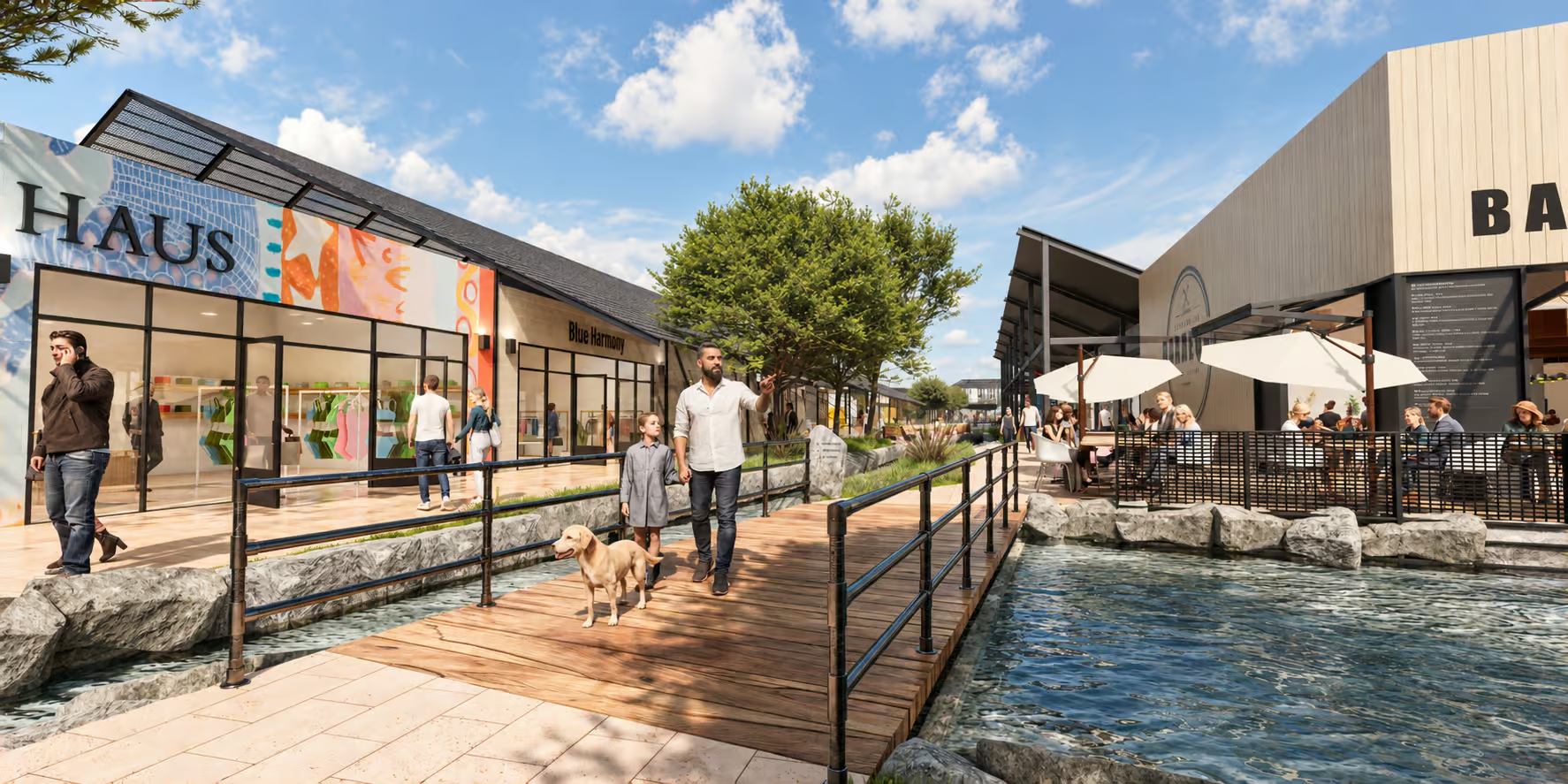
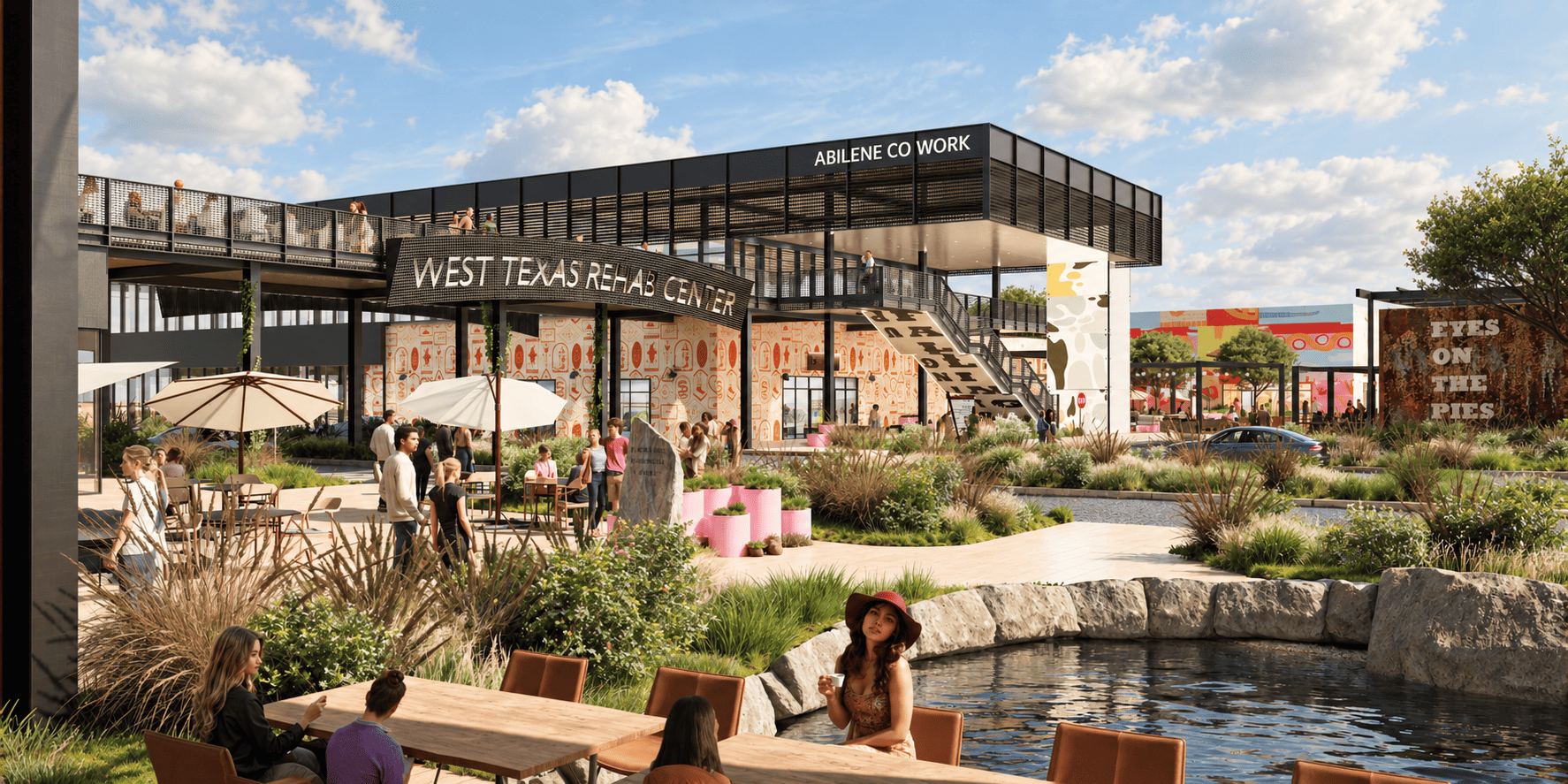
The next generation of medical districts will be defined by what happens beyond the exam room. For developers, that means seeing healthcare as the foundation for a broader ecosystem of retail, food, services, hospitality, public space and community. When these elements are planned together, the medical district becomes more than a place people visit for care. It becomes part of the community itself, a place where healthcare and everyday life can coexist naturally.
[1] Centers for Disease Control and Prevention, “Ambulatory Care Use and Physician Office Visits.” Physician office visit total from the 2019 National Ambulatory Medical Care Survey.
https://www.cdc.gov/nchs/fastats/physician-visits.htm
[2] Ray et al., “Opportunity Costs of Ambulatory Medical Care in the United States,” American Journal of Managed Care, 2015. The ten-year total is extrapolated from the study’s estimate of 2.4 billion hours annually, assuming a constant annual rate.
https://www.ajmc.com/view/opportunity-costs-of-ambulatory-medical-care-in-the-united-states
[3] U.S. Census Bureau, “Demographic Turning Points for the United States: Population Projections for 2020 to 2060,” 2020.
https://www.census.gov/library/publications/2020/demo/p25-1144.html
[4] JLL, “Outpatient healthcare services and facilities set for enormous growth,” Feb. 8, 2023. Phoenix ranking based on projected outpatient growth between 2020 and 2025.
https://www.jll.com/en-us/newsroom/outpatient-healthcare-services-and-facilities-set-for-growth
Cushman & Wakefield, “San Diego Medical Office MarketBeat,” Q2 2026.
https://assets.cushmanwakefield.com/-/media/cw/marketbeat-pdfs/2026/q2/us-reports/medical/sandiego_americas_marketbeat_medicaloffice_q22026.pdf?rev=f2800c6398bb48b98c6f24ca4b4af0d3
[5] CBRE, “U.S. Medical Outpatient Building Figures,” Q4 2025. Investment ranking covers the four quarters ending in Q4 2025.
https://mediaassets.cbre.com/-/media/project/cbre/dotcom/global/services/property-types/healthcare-investor-services/healthcare-capital-markets/q4_2025_us_mob_figures-report.pdf?rev=22193b01a4b74c4baa480a6e39d4643d
PwC and Urban Land Institute, “Emerging Trends in Real Estate 2026,” Medical Office section. Houston and Philadelphia rankings reflect trailing twelve-month net absorption as of Q2 2025.
https://www.pwc.com/us/en/industries/financial-services/asset-wealth-management/real-estate/emerging-trends-in-real-estate-pwc-uli/property-type-outlook/medical-office.html